Some Key Areas Shaping Up the Future of Medicine

Artificial Intelligence is reshaping diagnostics and treatment planning.
Artificial Intelligence
Already changing the face of diagnosis and treatment planning, complex data such as medical images, laboratory results, and patient histories are analyzed faster and more accurately with machine learning algorithms. AI may soon propose diagnosis and treatment options, freeing health professionals for bedside care.

Telemedicine enables remote consultations and expands access to healthcare.
Telemedicine
The COVID-19 pandemic accelerated the growth of telemedicine. Remote consultations broaden access to healthcare, especially in underserved areas. In the future, health workers may increasingly work from home, delivering care digitally.
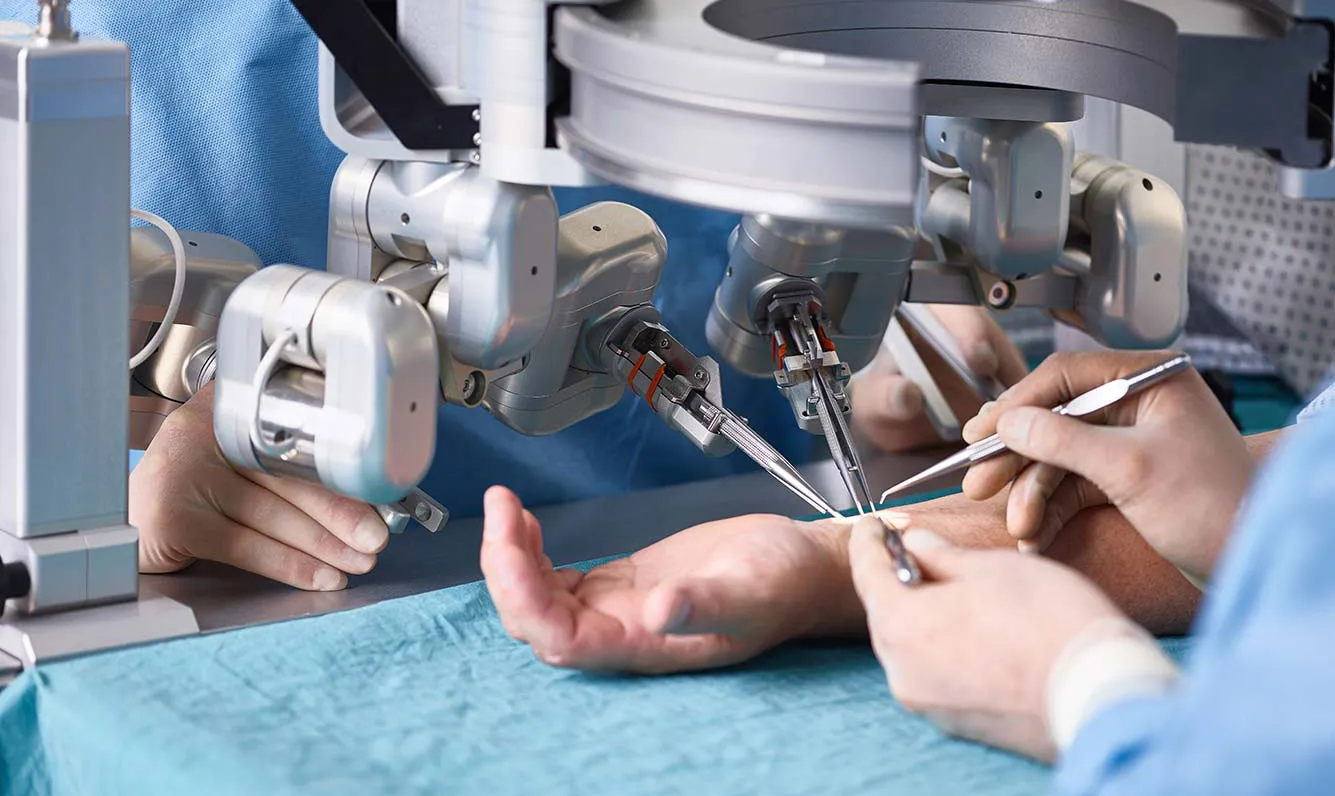
Robotic surgery enhances precision and reduces recovery time for patients.
Robotics in Surgery
Robotic surgery allows minimal invasion with higher precision, reducing recovery time and complications. Surgeons will need to continue updating their skills to keep pace with robotic systems.
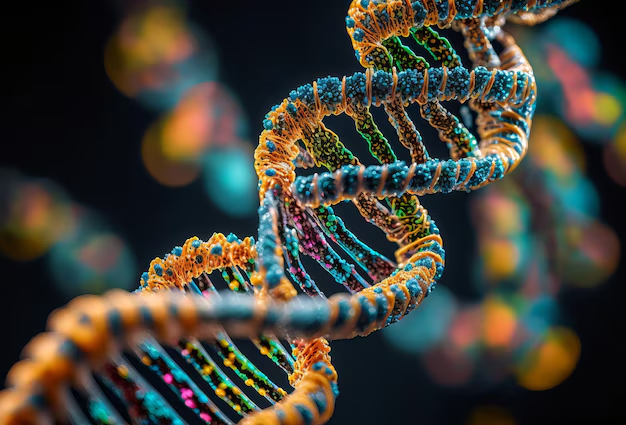
Personalized medicine tailors treatments to individual genetic makeup.
Personalized Medicine
Personalized medicine tailors treatments to the individual genetic makeup, leading to more effective therapies with fewer side effects. Pharmacy and biotechnology professionals will be pivotal in administering these treatments safely.

Wearable devices monitor vital signs, helping patients track their health in real-time.
Wearable Technology
Wearable devices monitoring vital signs are becoming more common, enabling real-time health tracking and early intervention. These devices will provide key data for preventive care.
The Evolving Role of Healthcare Providers
As medicine evolves, healthcare providers must combine advanced technology with compassionate care. The need for interdisciplinary collaboration, ethical considerations, and continuous learning will define the profession.